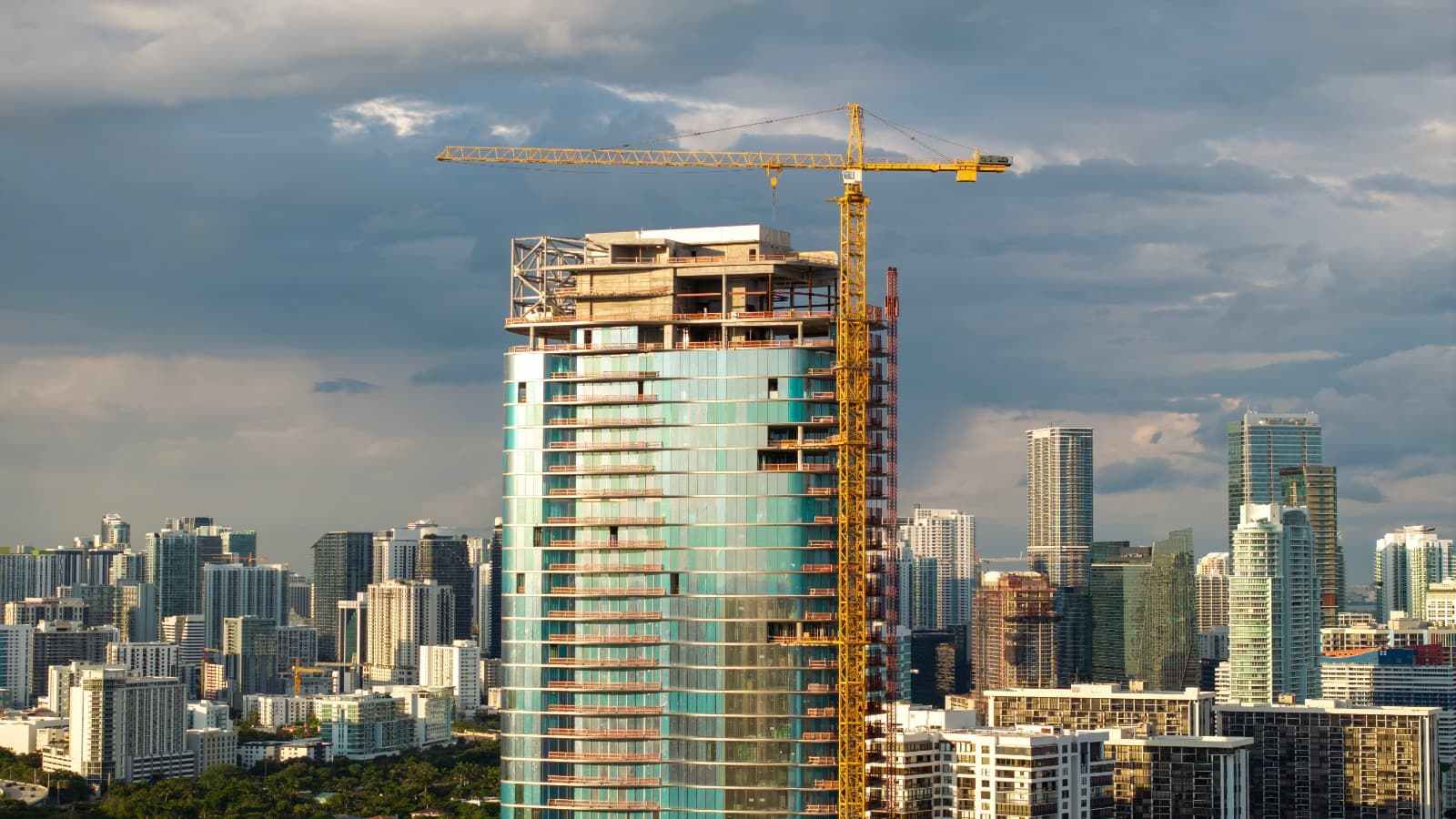


Washington, D.C. coworking spaces with 24/7 access give freelancers, remote workers, and hybrid teams the freedom to work outside standard business hours. With more than 270 flexible workspace locations across the D.C. metro area, operators like Industrious, The Yard, WeWork, and AdvantEdge offer round-the-clock access to private offices, dedicated desks, and shared amenities.
Key Takeaways
D.C. now has 270+ flexible workspace locations, and 24/7 access has shifted from a premium perk to a near-standard feature for dedicated desk and private office memberships.
Operators like Industrious (14+ D.C.-area locations), WeWork, The Yard, AdvantEdge, and Spaces NoMa all offer round-the-clock access tiers, with pricing and access rules varying significantly by membership type.
Day pass and hot desk memberships often restrict access to business hours; 24/7 access typically unlocks with dedicated desk or private office plans.
Hybrid work and remote-first teams are the primary demand drivers. An estimated 51% of jobs in the D.C. region can be performed remotely or on a hybrid schedule, one of the highest shares among major U.S. metros.
Smart access technology, including keycard entry, mobile app-based lock systems, and frictionless building security, has made true 24/7 access operationally practical for most modern coworking operators.
Why Washington, D.C. Is One of the Best Cities for 24/7 Coworking
Washington, D.C. is not your typical nine-to-five city. The capital’s unique mix of federal contractors, lobbyists, NGOs, tech startups, policy professionals, and international organizations creates a professional population with wildly different working rhythms. A government affairs consultant preparing testimony at midnight, a freelance journalist filing before a dawn deadline, a tech team distributed across time zones: all of them need a professional workspace that operates on their schedule, not the landlord’s.
That demand has transformed the D.C. coworking market. By the end of 2024, the metro area had more than 270 flexible workspace locations, placing it comfortably among the top five coworking markets in the U.S. Traditional office vacancy has climbed, but demand for flexible workspace has done the opposite, driven by one powerful force: hybrid work.
By the numbers: Researchers estimate that roughly 51% of jobs in the Washington metropolitan area can be performed at home, compared to about 37% nationally. The D.C. metro ranks among the top five U.S. metros for work-from-home rates, driven in part by the region’s high concentration of white-collar, knowledge-economy roles. That concentration of remote-capable workers fuels steady demand for flexible, accessible workspace, even as federal return-to-office mandates have shifted patterns among government employees since early 2025.
What “24/7 Access” Actually Means at a Coworking Space
Not all 24/7 access is created equal. Before you sign a membership, understand exactly what round-the-clock access looks like in practice and which membership tiers it applies to.
Access Tiers: Where 24/7 Kicks In
Most coworking operators in D.C. structure their access in tiers. Day pass and hot desk memberships typically offer access only during staffed hours, usually 8 a.m. to 6 p.m. or 9 a.m. to 5 p.m. on weekdays. Step up to a dedicated desk or private office membership, and 24/7 keycard or app-based access becomes standard.
This is an important distinction if you are a night owl or early riser. Always confirm the exact access hours tied to the specific membership tier you are considering, and get it in writing.
How Access Control Works
Modern coworking spaces have largely moved away from staffed reception desks as the access gatekeeper. Today, round-the-clock access is typically managed through secure keycards, fob systems, or smartphone apps. Many buildings also supplement these systems with secondary security: cameras, intercoms, and secure lobby protocols that allow members to enter safely at 2 a.m. without requiring a staff member to be present.
Operators like Industrious use app-based entry that integrates directly with building security systems. The Yard offers keycard entry at their Capitol Hill Eastern Market location. AdvantEdge provides 24/7 building access with secure entry systems across their D.C. locations. The technology has made genuinely staffless 24/7 access operationally practical for the vast majority of modern coworking buildings.
If you are new to the differences between coworking memberships and conventional office leases, CommercialCafe’s guide to how commercial rent is calculated is a useful primer on the cost structures you will encounter across both models.
Washington, D.C. Coworking Spaces That Offer 24/7 Access
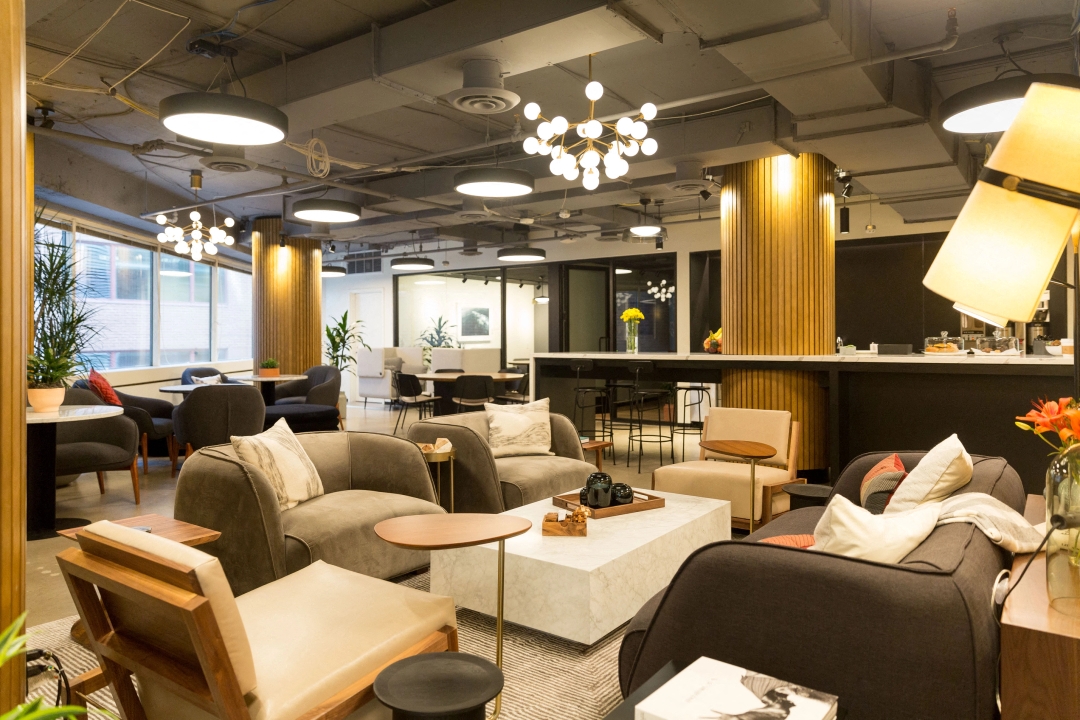
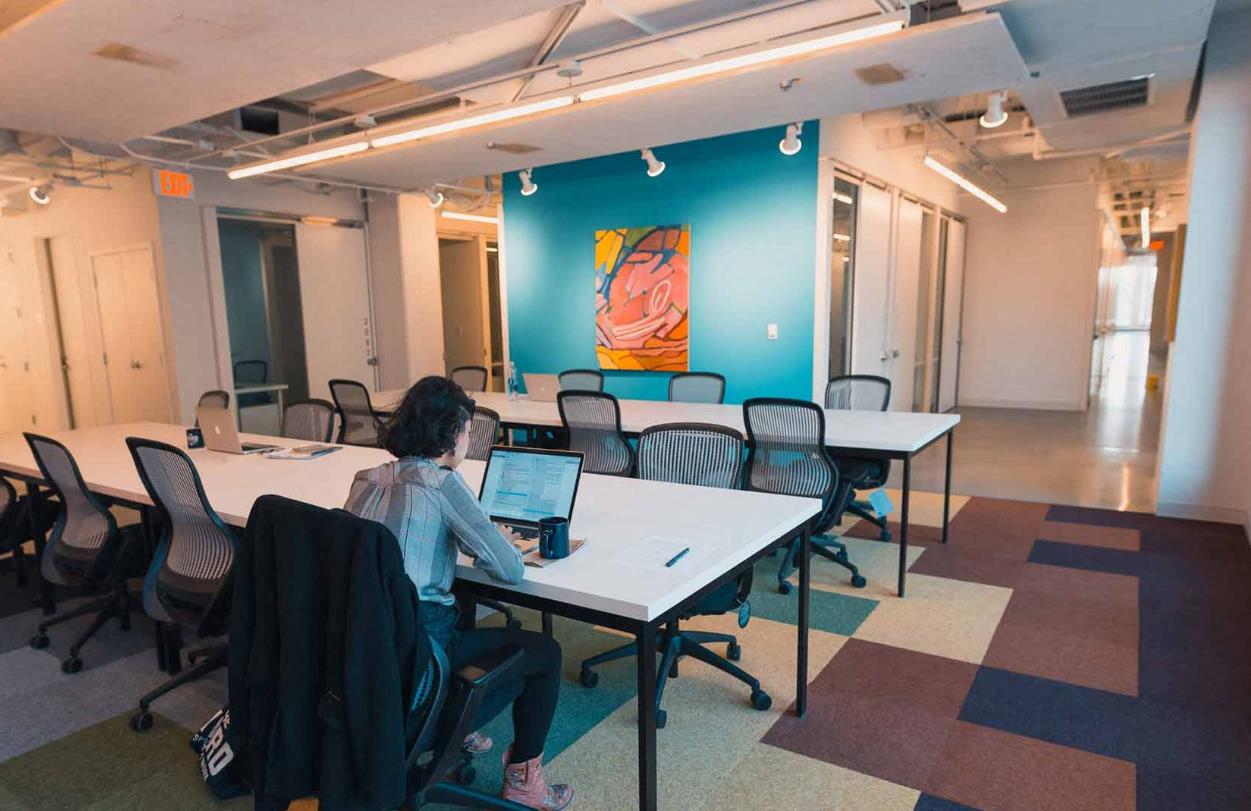
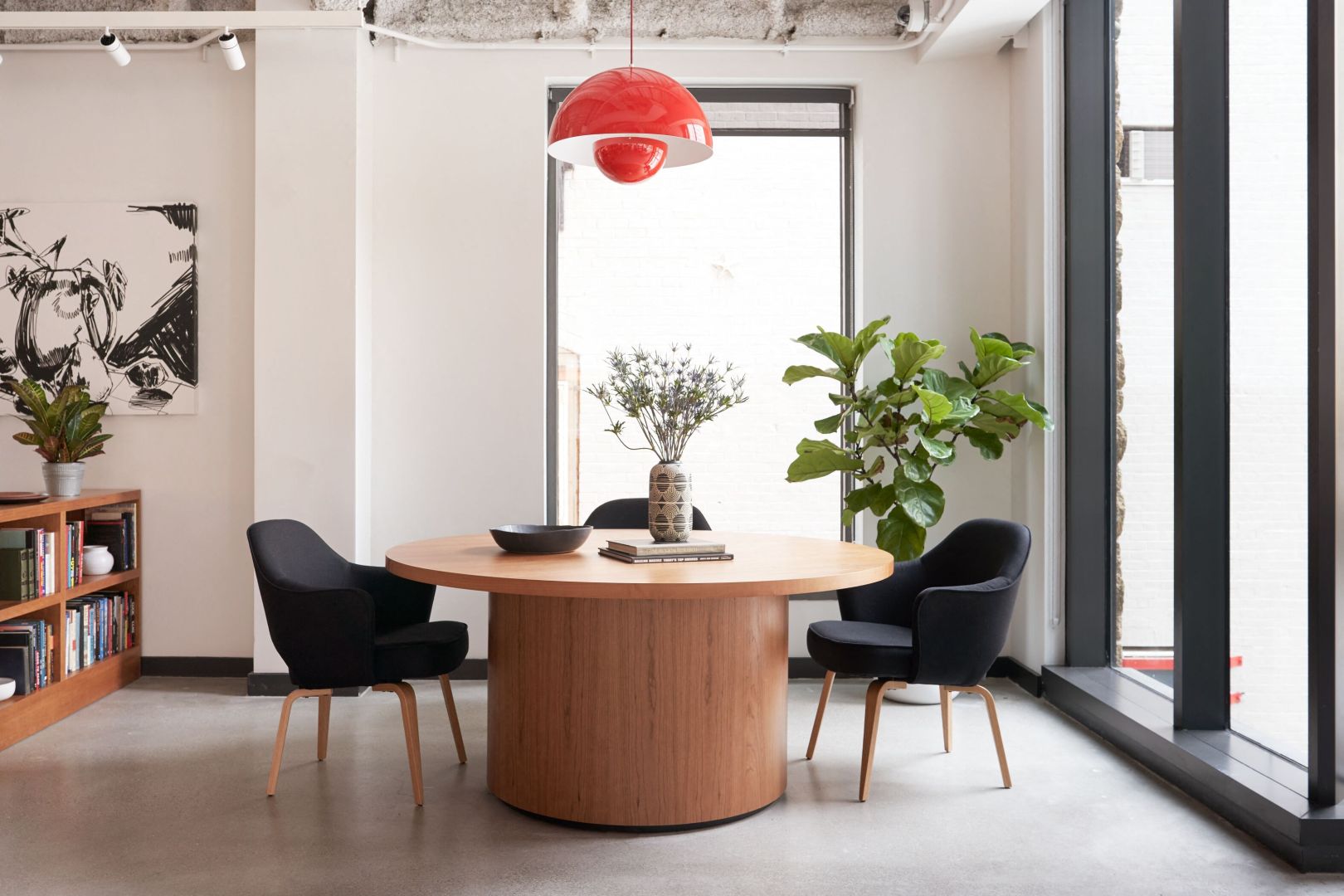
The D.C. coworking market has matured significantly. Some of the spaces featured in the original version of this article have since changed hands or closed. MakeOffices, a homegrown D.C. operator, closed its locations in early 2021. Spaces Thomas Circle continues to operate under IWG’s evolving membership structures. Below are the operators and locations that consistently offer 24/7 access for qualifying members today.
What to Look for When Choosing a 24/7 Coworking Space in D.C.
Not every coworking space that advertises 24/7 access delivers the same experience at midnight as it does at noon. Here is what to evaluate before you commit.
Location and Transit Access
D.C.’s notorious traffic makes Metro access a practical non-negotiable for many professionals. Look for spaces within walking distance of a Metro station; most major operators have positioned their flagship locations accordingly. If you work non-standard hours, also consider how you will get to and from the space safely: parking availability and rideshare drop-off options matter more at 11 p.m. than at 9 a.m.
Security Infrastructure
When staff are not present, the quality of a building’s security infrastructure determines your actual safety and peace of mind. Ask about camera coverage, secure lobby protocols, emergency contact procedures, and whether the building has on-call security overnight. A 24/7 promise backed by a robust security setup is very different from an unstaffed space with a keypad at the front door.
Which Amenities Are Actually Available After Hours
Many spaces offer full amenities during business hours (staffed reception, stocked kitchens, event programming) but scale back significantly after 6 p.m. Before signing, confirm which amenities are available around the clock: Is the kitchen stocked? Are printers accessible? Can you book a meeting room at midnight if needed? Some spaces lock certain rooms during off-hours even for 24/7 members.
Membership Tiers and Access Rules
As the comparison table above shows, 24/7 access is almost always tier-dependent. Always get the exact access terms in writing before signing. Confirm the specific hours tied to your membership, whether access extends to all floors and amenity rooms, and whether building access and workspace access are separately controlled.
If you are weighing whether a coworking space or a traditional office lease is the right move, CommercialCafe’s guide to buying vs. leasing office space walks through the financial trade-offs in detail. And for a broader look at how different office types compare, the office building classifications guide covers everything from Class A towers to coworking-forward buildings.
Who Uses 24/7 Coworking Spaces in Washington, D.C.?
The demand for round-the-clock coworking in D.C. is not driven by a single type of worker. The capital’s unique industry mix creates a genuinely diverse user base.
Federal Contractors and Policy Professionals
D.C.’s dense ecosystem of government contractors, lobbyists, and advocacy organizations operates on deadlines tied to legislative calendars, not standard business hours. When a Senate vote is scheduled for a late session or a procurement deadline hits at midnight, these professionals need a workspace that is ready when they are.
Journalists and Media Professionals
Washington’s position as a global news capital means editors, reporters, and communications professionals regularly work outside nine-to-five. A coworking space with 24/7 access gives them a professional alternative to filing stories from a kitchen table or a late-night coffee shop.
Remote Workers and Distributed Teams Across Time Zones
A tech team distributed across New York, London, and Singapore may need one D.C.-based member to take calls at unconventional hours. Global consulting firms, international NGOs, and digital-first startups all have team members working on schedules dictated by geography rather than local convention.
Freelancers and Creative Professionals
Designers, developers, writers, and strategists have always been natural coworking space users. Many are at their most productive late at night or early in the morning, and the ability to access a professional environment on their own schedule, rather than a landlord’s, is a genuine quality-of-life advantage.
Startups and Early-Stage Companies
For a seed-stage startup, every hour counts. Round-the-clock access means founders can hold investor calls across time zones, ship product updates at odd hours, or simply log the long days that early-stage company building often demands, without being locked out of their own workspace. For startups still exploring their first commercial space, CommercialCafe’s guide to finding office space for a small business covers the full range of options from coworking to conventional leases.
A Realistic Look at Pricing for 24/7 Coworking in D.C.
Coworking prices in Washington, D.C. vary significantly based on operator, location, membership tier, and the specific amenities included. The table below gives a directional snapshot based on publicly available rates. Always confirm current pricing directly with the operator, as rates change frequently.
*Rates are directional estimates based on publicly available pricing and may not reflect current offers. Always contact operators directly for accurate, up-to-date quotes.
For a broader search of coworking and shared office listings across Washington, D.C., with live availability and pricing, browse CommercialCafe’s D.C. coworking listings.
Frequently Asked Questions (FAQ)
Which coworking spaces in Washington, D.C. offer 24/7 access? Several major operators offer round-the-clock access for qualifying members, including Industrious (14+ D.C.-area locations), The Yard at Eastern Market, WeWork, AdvantEdge Workspaces, Spaces NoMa (IWG), and Metro Offices. In most cases, 24/7 access is available on dedicated desk or private office membership tiers rather than basic hot desk or day pass plans. Always confirm access terms with the specific location before signing.
Do day passes give you 24/7 access to D.C. coworking spaces? Generally, no. Day passes and entry-level hot desk memberships typically provide access only during staffed business hours, usually 8 a.m. to 6 p.m. or similar. Round-the-clock access is almost always reserved for dedicated desk or private office membership tiers. If 24/7 access is important to you, confirm the specific hours attached to the membership tier you are considering before you pay.
How does 24/7 coworking access work without a receptionist? Modern coworking spaces manage off-hours access through smart technology: secure keycards, smartphone apps (like the Industrious app or WeWork On Demand), and fob-based entry systems. Building security is typically supplemented by camera coverage, intercoms, and emergency protocols. Staff are not required to be present for access; members enter independently using their credentials, and the building’s security infrastructure manages safety during unmanned hours.
Are 24/7 coworking spaces in D.C. safe to use at night? The reputable operators profiled in this guide all invest in building security infrastructure that makes off-hours access safe and well-monitored. That said, the quality of overnight security varies between buildings and operators. Before committing, ask about camera coverage, lobby security, emergency contact procedures, and whether the building has overnight security personnel or relies entirely on automated systems.
What is the difference between a coworking space and a serviced office in D.C.? A coworking space is a shared environment where multiple members work side by side, sharing common areas, amenities, and sometimes desks. A serviced office (or managed office) provides a fully equipped, private space for a single company, with reception services, dedicated internet, and facilities management included, typically within a larger coworking building. Many D.C. operators offer both models. Private offices within coworking buildings are essentially serviced offices in all but name, and most include 24/7 access as standard.
What is the cheapest way to get 24/7 coworking access in Washington, D.C.? Among the operators profiled in this guide, AdvantEdge Workspaces and Spaces NoMa (IWG) offer competitive entry points for 24/7 access. Contact each operator directly for current pricing, as rates shift frequently. For the most budget-conscious approach, check whether a day pass arrangement at a 24/7-capable space can serve your needs, though this will not provide dedicated storage or guaranteed desk availability.
Before You Sign a 24/7 Coworking Membership in D.C.
Confirm exactly which hours your membership tier unlocks, and which rooms and amenities are accessible after hours. Ask about the building’s overnight security setup: cameras, intercoms, and emergency protocols. Check whether your access extends to all floors, meeting rooms, and amenity areas, or only your desk or office. Verify the access technology (keycard, mobile app, or fob) and whether it works reliably without building staff present. Confirm how close the space is to Metro access or parking if you plan to use it outside peak hours. Read the membership agreement carefully: understand notice periods, how to upgrade or downgrade tiers, and what happens if your access credential is lost.



Matthew Preston
Content Writer, CRE News & Market Analysis
Matthew has covered commercial real estate for CommercialCafe since 2022. He focuses on the office and industrial sectors, reporting on leasing, development, and investment across national markets and individual submarkets. His work draws on data and original research. He also writes about demographic shifts and urban innovation in U.S. cities. The New York Times, The Real Deal, Bisnow, The Business Journals, and Yahoo Finance have cited his reporting.