

Key Takeaways
Across different commercial real estate types, growth is driven by technological adoption and specialized demand. Here are the core highlights:
- The Office Flight to Quality: In the Office sector, there is a distinct move toward Class A, amenity-rich buildings that support hybrid work and wellness, while older assets see higher vacancies.
- Industrial & Multifamily Resilience: These remain the steadiest performers. Industrial is fueled by e-commerce and advanced manufacturing, while multifamily demand is sustained by housing affordability challenges.
- Retail Evolution: Focus has shifted from simple transactions to experiential and service-based formats. Grocery-anchored centers remain the most resilient asset within the sector.
- The Rise of Mixed-Use: Cities are prioritizing “Live-Work-Play” districts to create density and vibrancy, often using data tools to ensure the tenant mix drives foot traffic.
- Specialization is Key: Data Centers, Life Sciences, and Self-Storage have moved from niche categories to institutional favorites due to specific infrastructure needs like high-density power and fiber.
- Conversion Potential: Office-to-residential conversions are a growing trend in major hubs, though they remain complex and highly dependent on zoning reforms and building architecture.
Commercial real estate (CRE) remains one of the most diverse asset classes, generating income through leases and long-term appreciation. Now, demand varies sharply across property types — industrial and multifamily are expanding; office is adapting to hybrid work; and retail is shifting toward experiential and service-based formats. As such, understanding the eight main types of CRE is essential for investors, developers and occupiers. That’s because each has distinct sub-sectors, building specs, and market drivers shaped by AI adoption, sustainability mandates and supply-chain reshoring.
From an investment standpoint, each property type follows its own rhythm of risk and return. For example, office and retail are more management-intensive and cyclical, while industrial and multifamily deliver steadier income through long-term leases and consistent demand. For comparison, hospitality and special-purpose properties operate more like businesses, requiring active oversight and variable cash flow. Recognizing these dynamics helps investors align assets with portfolio goals.
At the same time, technology, automation and ESG standards are reshaping performance across all asset classes. So, developers are integrating smart systems, renewable energy, and efficient layouts to meet both tenant expectations and regulatory requirements. With that context, here’s how the eight main CRE categories stack up.
1. Office
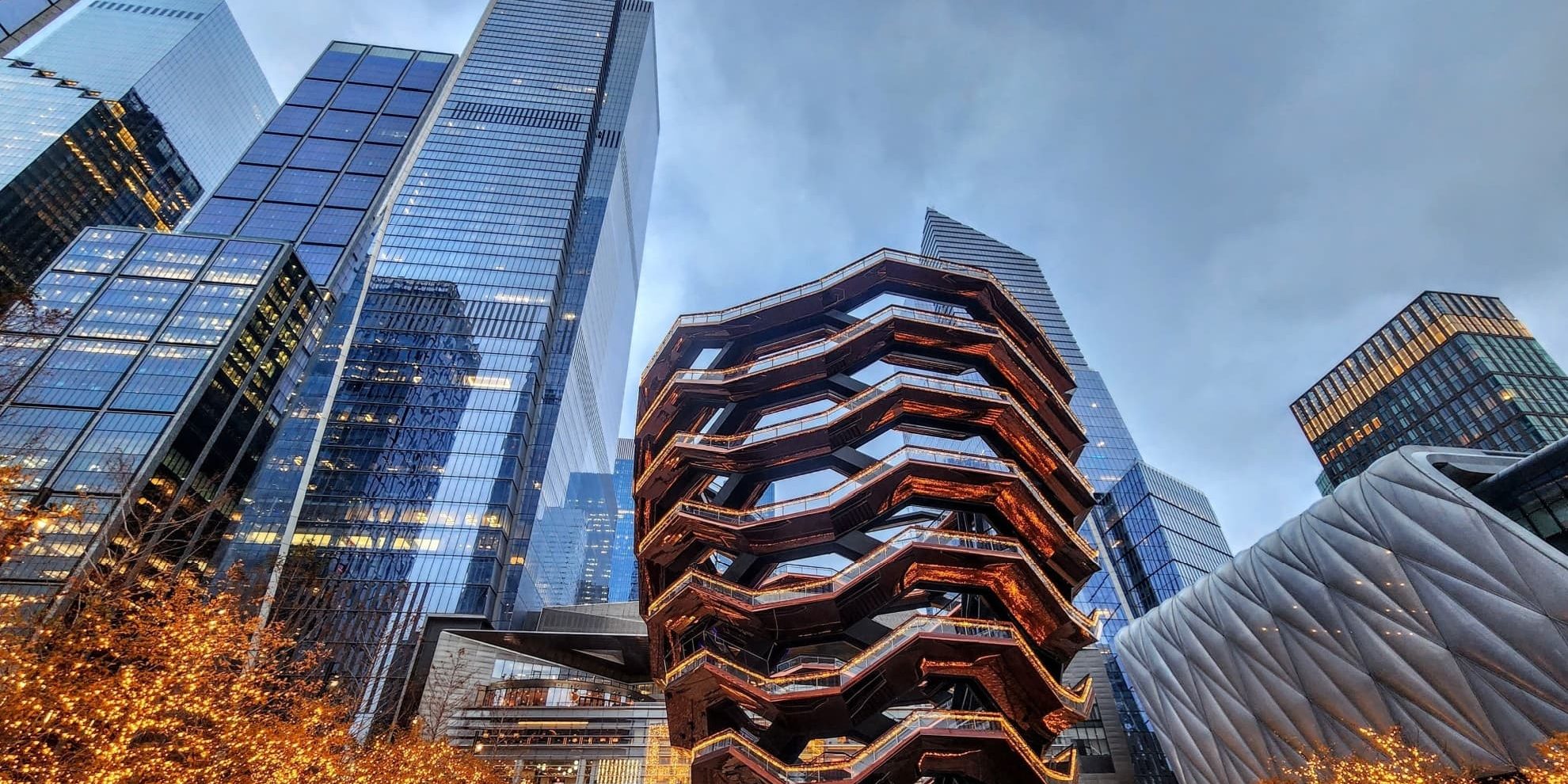
Office buildings, whether downtown towers or suburban campuses, remain central to CRE. To that end, urban projects — like 50 Hudson Yards or The Spiral in Manhattan, N.Y., and Salesforce Tower in Chicago — set the new benchmark for amenity-rich, sustainable office design. Similarly, suburban campuses — such as Legacy Central in Plano, Texas, or The Spectrum in Irvine, Calif. — offer flexible, low-rise environments that cater to hybrid workforces. At the same time, specialized office assets (including medical offices and life-sciences labs in cities like Boston, Houston and San Diego) continue to grow, driven by health care expansion and research investment.
-
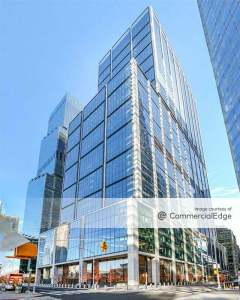
50 Hudson Yards, Manhattan (2022) — a 2.9-million-square-foot, LEED Gold tower by Related Companies — defines the new standard for tech-enabled, wellness-focused offices.
Class A: Premium, amenity-rich, and often LEED-certified.
- Class B: Functional, mid-tier, and often value-add potential.
- Class C: Older with limited amenities.
- Coworking/Flex: Shared offices with private suites or hot desks.
- Life Sciences: Lab-ready, with clean rooms and advanced HVAC.
- Medical Offices: Purpose-built for outpatient and specialty care.
Insight: Demand is concentrated in high-quality, amenity-rich, Class A and trophy buildings as tenants seek modern space that supports wellness, sustainability, and hybrid work. This “flight to quality” has been evident in Manhattan’s run of Class A sales moving from late 2024 into 2025.
2. Retail
Retail properties house shops, restaurants, and services, ranging from single-tenant pad sites to multi-tenant centers. Formats generally fall into:
- Neighborhood/Community Centers: Often grocery-anchored and typically between the tens of thousands and low hundreds of thousands of square feet
- Strip Centers: smaller pads, commonly 5k–20k SF, sometimes with drive-thru formats
- Power Centers: Large sites anchored by big-box tenants, often a few hundred thousand square feet in size
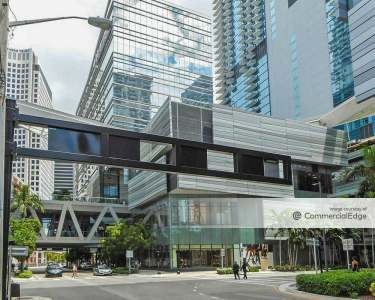
Brickell City Centre (Miami) is a dynamic, modern lifestyle retail hub. Completed in 2016, ongoing expansion phases continue through 2025.
- Regional Malls: Enclosed centers that can span several hundred thousand to more than 1 million square feet
- Lifestyle/Open-Air Centers: Pedestrian-focused, with dining, fitness, and entertainment—examples include Scottsdale Quarter (in Arizona) or Brickell City Centre in Miami
- Single-Tenant Net Lease (STNL): Freestanding sites like Starbucks or Chick-fil-A
These size ranges are rules of thumb often cited by industry groups such as ICSC and NAREIT, but actual figures vary widely by market.
Insight: Grocery-anchored centers and daily-needs tenants remain resilient. Experiential retail—food, fitness, entertainment—has become central to repositioning malls and lifestyle centers. Retail also integrates more often into mixed-use projects, where ground-floor activation supports community value.
3. Industrial
Industrial properties support warehousing, logistics, and manufacturing, and are usually located near highways, ports, or airports where labor and transport access are critical. Advanced facilities like EV battery plants and semiconductor fabs — such as the TSMC Arizona in Phoenix — stand out for the scale of capital investment they require, often needing new infrastructure. Data centers also fall under industrial, although they’re driven by power, cooling, and fiber access, rather than workforce or transport. Types include:
- Flex Industrial: 20,000–100,000 square feet of office plus light warehouse
- Bulk/Distribution: Large-scale buildings, often hundreds of thousands of square feet in size with high clear heights and cross-dock layouts

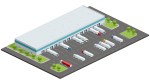
Passport Park Building 1 is a modern Class A logistics facility located near DFW International Airport in the Las Colinas submarket, one of Dallas–Fort Worth’s most active industrial corridors.
- Cold Storage: Insulated warehouses with refrigeration for food and pharma
- Industrial Outdoor Storage: Yards for vehicles, containers, or materials
- Light Manufacturing: Assembly and component facilities
- Heavy Manufacturing: Larger-scale plants for steel, chemicals, EV batteries, or semiconductors, an example is Ford’s BlueOval City EV campus in Stanton, Tenn., which is under construction and slated for 2026
- Data Centers: While increasingly tracked as a distinct subsector, specialized facilities are still often classified under industrial for REIT reporting — these facilities require high power loads, and water for cooling
Insight: E-commerce, supply chain diversification and federal incentives (such as the CHIPS Act) are among the forces driving demand. Warehouses and logistics hubs depend on transport links and labor supply; advanced manufacturing requires both power and skilled labor; and data centers hinge on reliable energy and cooling.
4. Multifamily
Multifamily covers all rental housing with five or more units, from high-rise towers to garden-style walk-ups. Formats include:
- High-Rise: Eight or more stories, urban and elevator-served, with amenities
- Mid-Rise: Four to seven stories, often wood-frame over podium parking
- Garden-Style: Two to three stories, surface parking and courtyards
- Wrap/Texas Donut: Apartments built around structured parking
- Townhome/Stacked Flats: Horizontal formats with ownership potential
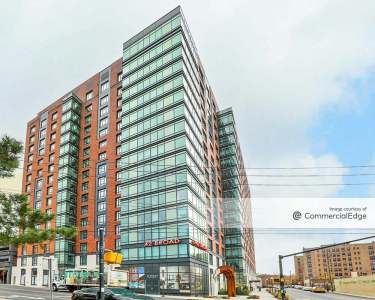
42 Broad in Mount Vernon, NY, — a 16-story, 249-unit tower completed in 2023 — earned PHIUS certification for its energy-efficient, transit-oriented design.
Sub-sectors:
- Student Housing: Built near campuses and leased by the bed
- Senior Living: Independent, assisted, and memory care communities
- Affordable/Workforce: Often supported by LIHTC or Section 8 programs
- Manufactured Housing Communities: Land-lease communities with resident or investor ownership
Insight: Multifamily demand is backed by housing affordability pressures. In this case, rising interest rates keep renters in place, while affordability mandates add complexity for investors. Plus, workforce and affordable housing tend to hold steady even in weaker cycles. Build-to-rent also belongs in multifamily, not single family, because it operates like an apartment community.
5. Hotel
Hotels are transient lodging with nightly operations and revenue management. Categories include:
- Limited-Service: Breakfast included but no full food and beverage
- Select-Service: Bar/lounge, but limited dining
- Full-Service: Restaurants, ballrooms and concierge (e.g., Hilton, Marriott)
- Extended-Stay: Kitchenettes with weekly or monthly rates (e.g., Residence Inn)
- Boutique: Smaller, design-driven properties with local character
- Resort/Casino: Amenity-heavy and destination-focused
Insight: Select-service and extended-stay formats adapt fastest in shifting markets. Otherwise, full-service hotels are increasingly adding coworking areas to capture remote workers, alongside wellness features to diversify revenue. Moreover, energy-efficient upgrades (sometimes supported by incentives) have become critical to profitability, particularly in tourist hubs, like Scottsdale, Ariz., or Orlando, Fla.
6. Mixed-Use
Mixed-use developments combine two or more property types in one project, from podium buildings with retail below apartments to large live-work-play districts. Formats include:
- Podium-Style: Retail or office at ground level, residential above.
- Live-Work-Play: Office, retail, and multifamily combined — seen in projects like The Wharf Phase 2 in Washington, D.C. and Water Street in Tampa, Fla., both blending apartments, offices, hotels, and entertainment within walkable districts.
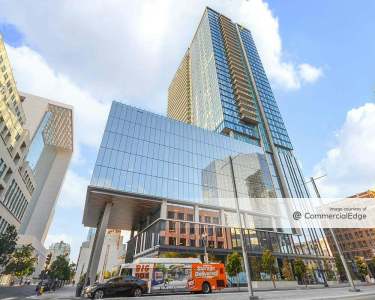
West San Diego is a 37-story tower completed in 2024 and combining 431 apartments with retail and office space
- Transit-Oriented Development: Within walking distance of rail or major transit
- Horizontal Mixed-Use: Campus-style sites blending several uses side by side
Insight: Mixed-use has become a planning priority in many cities because it delivers density, vibrancy, and tax base. Here, transit links and sustainability targets help projects secure approvals, while incentives can improve returns. At the project level the tenant mix is decisive—ground-floor activation and compatible uses drive leasing strength. Brokers increasingly use data tools to test foot traffic and synergy, thereby balancing risk across the blend of uses.
7. Special Purpose
Special purpose properties are built for a single function, which makes them harder to repurpose compared to other CRE types. Categories include:
- Self-Storage: Climate-controlled or drive-up facilities, often multi-story in urban areas
- Religious Facilities: Churches, mosques, synagogues, and associated spaces
- Theaters & Entertainment: Cinemas, concert halls and family entertainment centers
- Government & Civic: Courthouses, libraries, fire stations, community centers
- Other Niche Uses: Car washes, sports arenas, amusement parks
Insight: Self-storage has become a favored institutional investment due to consistent demand and simple operations. Other categories are more localized, with performance tied to demographics, community needs, or tourism. While they can diversify portfolios, these assets require close attention to tenant stability and long-term viability.
8. Land
Land in CRE is the base for future development, ranging from raw acreage to fully entitled sites. Common categories include:
- Infill: Urban parcels, zoned and with utilities at the curb.
- Greenfield: Suburban or rural sites converted from agricultural to commercial use.
- Pad-Ready: Graded, utility-stubbed lots prepared for specific building types.
- Entitled/Shovel-Ready: Sites with approved plans and infrastructure in place, ready for immediate construction.
- Opportunity Zone: Parcels in federally designated areas with tax advantages for investors.
Insight: Value in land hinges on entitlements, zoning, and infrastructure access, and infill sites carry premium pricing due to scarcity, while greenfield locations attract large-scale industrial and manufacturing projects where space and utilities can be built around them. That said, entitled or shovel-ready sites reduce development risk, and opportunity zones remain a tool for patient capital.
The increasing trend of conversions
Commercial real estate is changing fast, and boundaries between asset classes blur as offices, apartments, retail and hotels come together in mixed-use districts. Clearly, industrial has seen an explosion of large manufacturing campuses and data centers, while redevelopment and reuse shape how older assets find new life.
Even so, conversions within CRE categories — especially office-to-residential — are increasingly visible, though still niche. Granted, feasibility depends on structure, zoning and economics. In particular, narrow floorplates, ample windows, and aligned plumbing cores make office conversions most viable, while retail sites need highway access and loading capacity. And, while incentives such as tax abatements, low-interest loans and density bonuses can help close gaps, they rarely make these projects simple.
In Manhattan, N.Y., projects like 25 Water St. and 55 Broad St. are moving ahead under the city’s Office Conversion Accelerator and 2024 zoning reforms. Meanwhile, Chicago’s LaSalle Street Reimagined and D.C.’s Housing in Downtown programs show similar public–private models, while Calgary’s Downtown Development Incentive Program has become a North American benchmark.
Frequently Asked Questions (FAQ)
Q: How do brokers add value across property types?
A: Brokers interpret zoning, incentives, and local market data to match each asset with the right use or investor strategy.Q: Why are data centers considered industrial?
A: Data centers require industrial zoning, warehouse-style shells, and heavy electrical and cooling infrastructure, similar to logistics facilities.Q: What distinguishes flex from bulk industrial?
A: Flex buildings combine light manufacturing or office with warehouse space, whereas bulk facilities serve high-volume logistics with large footprints and tall clear heights.Q: What defines a shovel-ready site?
A: A shovel-ready site means all entitlements, zoning and infrastructure (utilities, grading and road access) are complete, allowing for immediate construction.Q: Which CRE types are best for steady income?
A: Industrial and multifamily typically offer the most predictable cash flow through multi-year leases and stable tenant demand.Q: Which sectors carry higher operational risk?
A: Hospitality and special-purpose assets depend on business performance or specialized tenants, making income less consistent.Q: How are ESG and sustainability changing CRE?
A: Investors and tenants favor energy-efficient, low-carbon buildings to reduce costs, meet reporting standards and access green-finance incentives.



Matthew Preston
Content Writer, CRE News & Market Analysis
Matthew has covered commercial real estate for CommercialCafe since 2022. He focuses on the office and industrial sectors, reporting on leasing, development, and investment across national markets and individual submarkets. His work draws on data and original research. He also writes about demographic shifts and urban innovation in U.S. cities. The New York Times, The Real Deal, Bisnow, The Business Journals, and Yahoo Finance have cited his reporting.