Commercial Real Estate Reports
Monthly reports tracking key trends across the country’s top office and industrial real estate markets: Keeping an eye on lease rates, vacancy, sale transactions, and development pipelines, as well as offering insights into the possible effects of significant recent news and industry trends on market evolution in the near future.

April 2026 Industrial Report: Growing Demand for New Warehousing Spaces Amid Automation Adoption
Automation and AI adoption are increasing in warehouses, but structural constraints will see this trend unfold slowly over the next decade. Nevertheless, warehouse demand is already being impacted.

Growing Demand for Flexibility Fuels Coworking Model Success, Medical Office Projects Increase Share of Construction Starts
Increasing demand for flexibility flows through to leasing demands from business tenants to landlords looking to adapt out of stubbornly high vacancy rates across the top office markets in the U.S.

March 2026 Industrial Report: The Massive Restructuring of Retail Fulfillment
With energy costs climbing, the value of a dense, well-positioned distribution network has never been higher. Retailers are increasingly investing in AI and robotics to optimize these paths and further slash delivery windows. As a result, the market for “infill” and “last-mile” facilities remains exceptionally tight, as every major player scrambles to keep inventory as close to the consumer as possible.
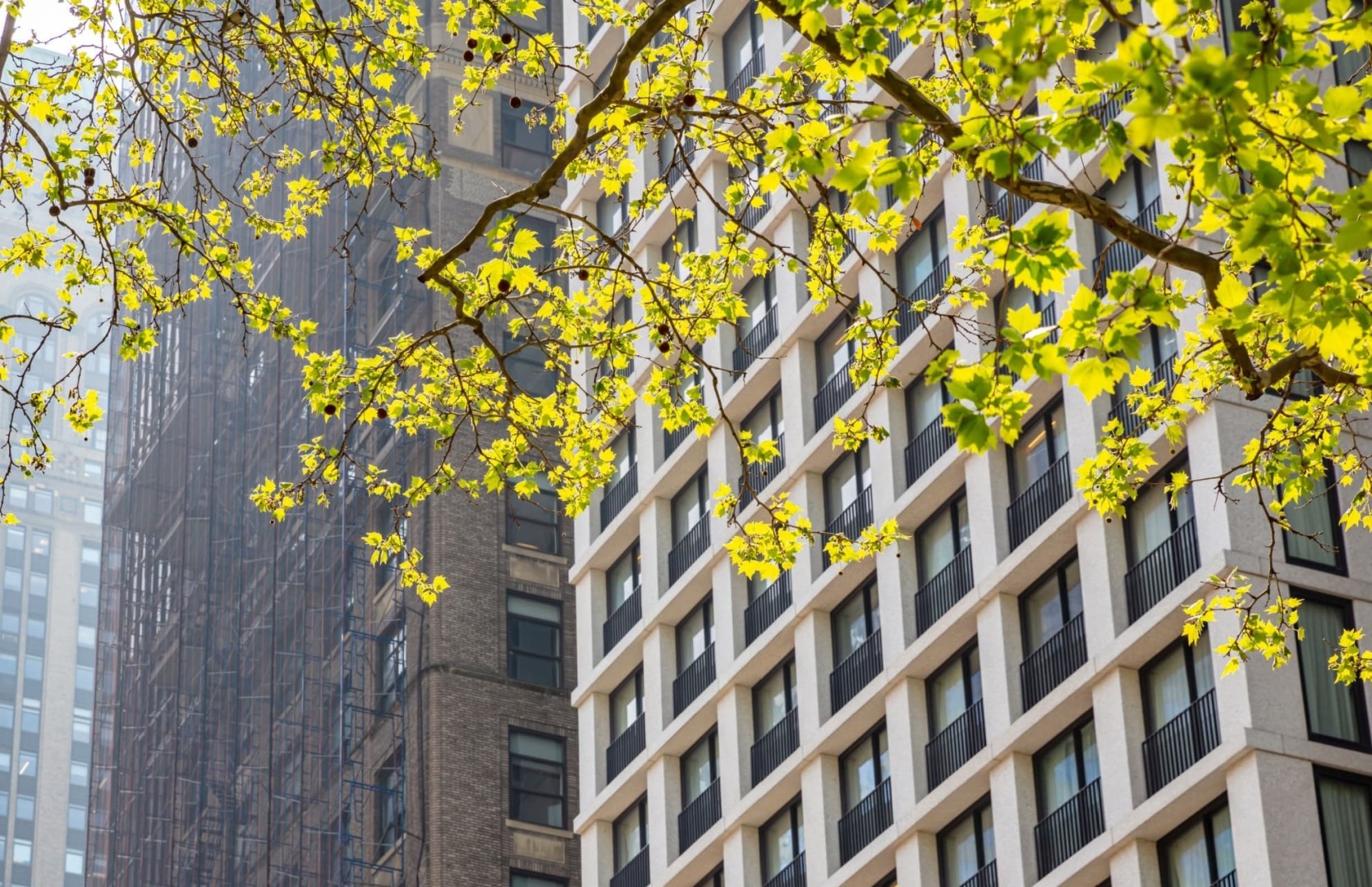
Slow Construction Starts, Rising Office Decommissioning & Conversion Trends Support Conditions for Vacancy Improvement
Life sciences development dwindling leaves breathing room for absorbtion of oversupply, while decommissioning underused office space and a pick-up in adaptive-reuse conversions support conditions for vacancy rates to recover.

Office Pipeline 2026: Strategic Agility Amid Construction Reset
Agility has become the defining strategy in the current office landscape. That’s because developers who can pivot quickly are better-positioned to mitigate losses and adapt to shifting demand. This trend is evident not only in the ongoing contraction of construction volumes across major U.S. markets, but also in the strategic pausing of high-profile projects.
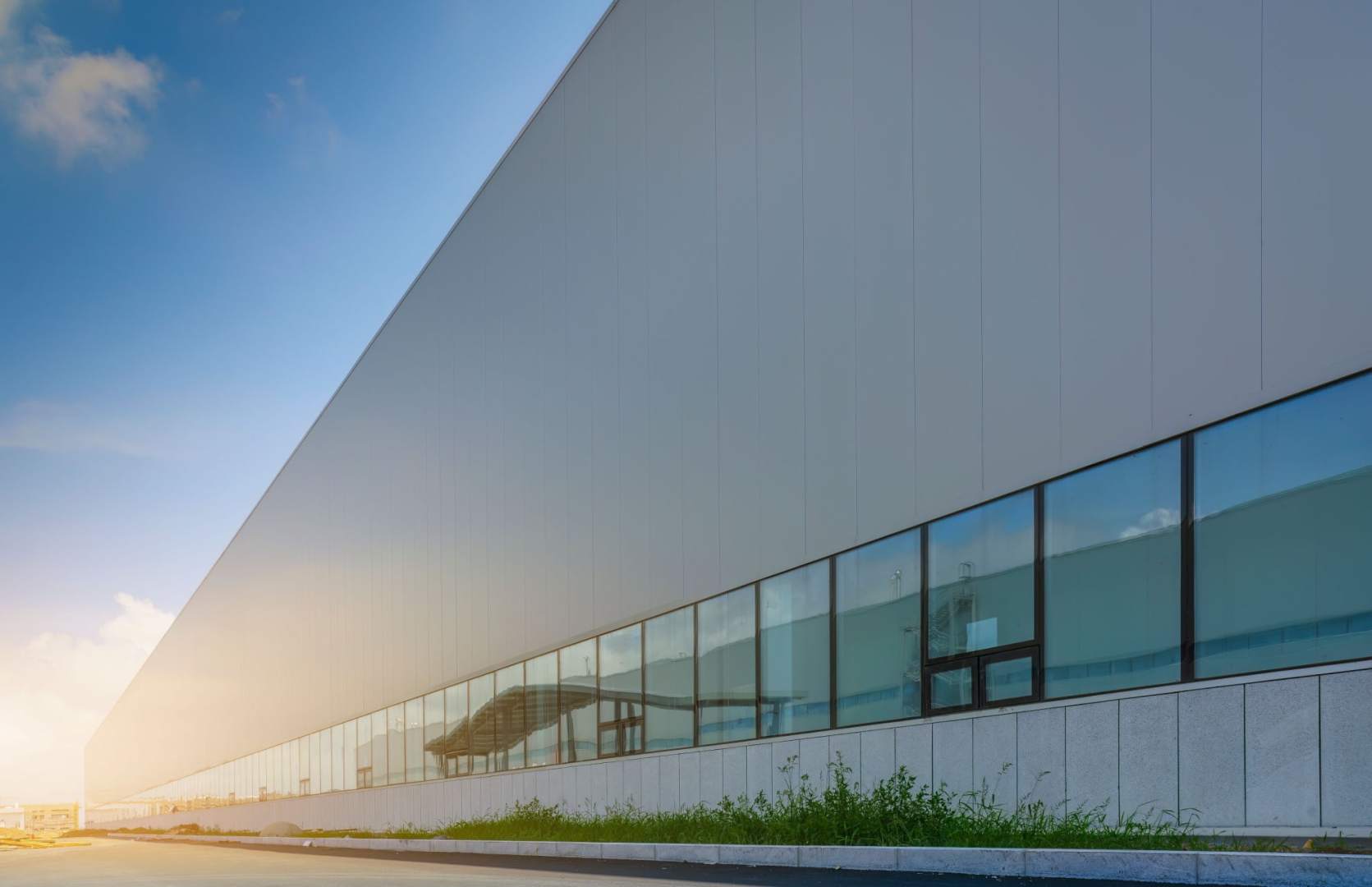
February 2026 Industrial Report: Turbulence Builds in Port Markets
Geopolitical maneuvers at the Panama Canal, a U.S. Supreme Court decision reversing some 2025 tariffs and a potential 100% tariff on port cranes are just a few of the challenges facing container ports in 2026, with industrial real estate sure to feel the pressure as well.

Construction Starts Pick Up, Office Prices Begin Rebound
Office construction starts picked up over the course of 2025 and developers enourage positive hopes for more activity in 2026, despite discount sales also being on the rise.
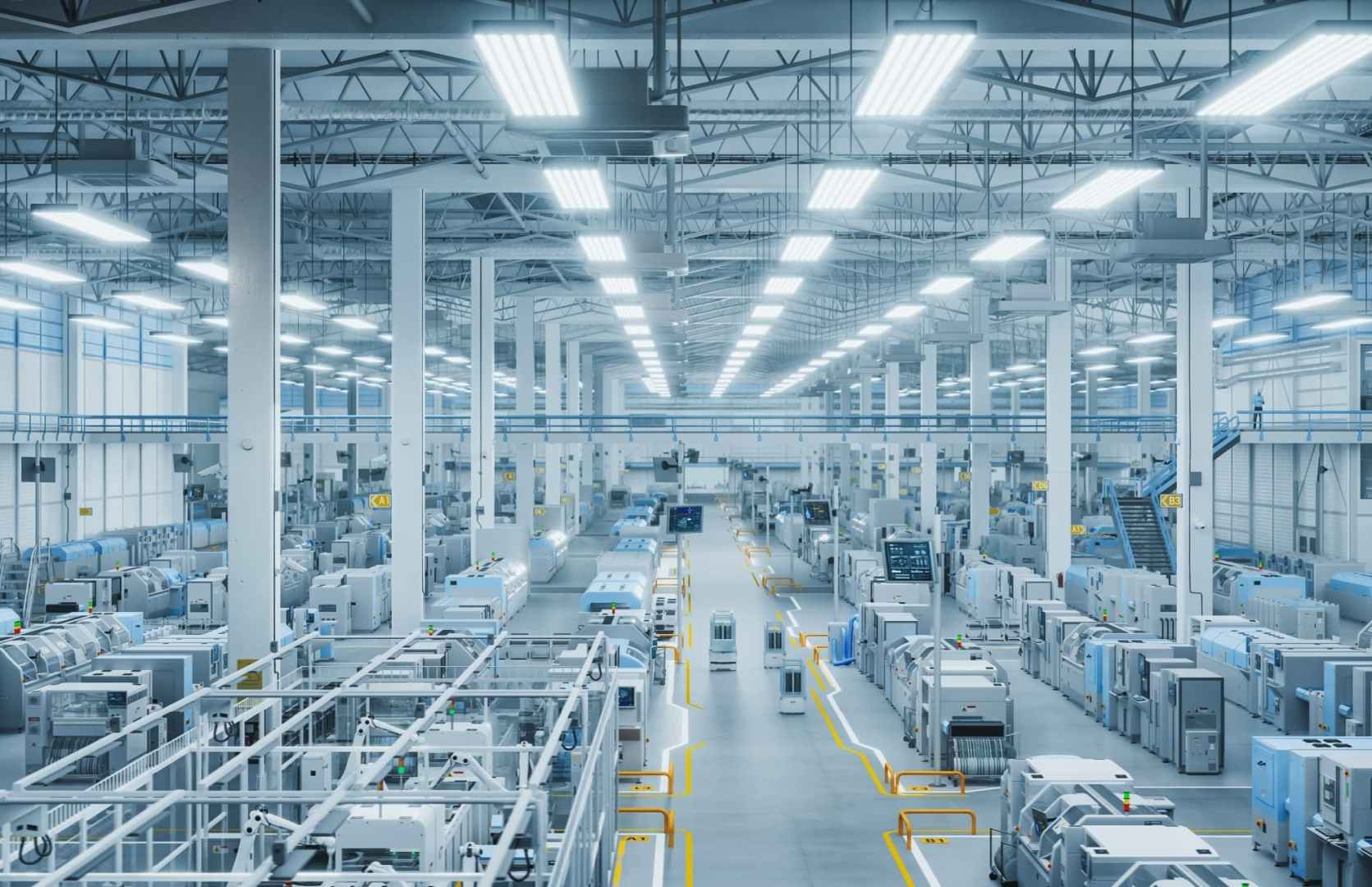
January 2026 Industrial Report: Developers Look for Energy Security
With volatility stemming from policy shifts and energy security becoming a primary concern for many industrial developers, 2026 will likely be a pivotal year for the industry as vacancies plateau and construction pivots.

Vacancy Rates Begin to Slip & Construction Starts Level Off as Coworking Maintains Competitive Edge
The coworking sector grows from opportunities in the restrained construction pipeline plus more highlights and insights on industry trends in our full monthly U.S. office markets report.
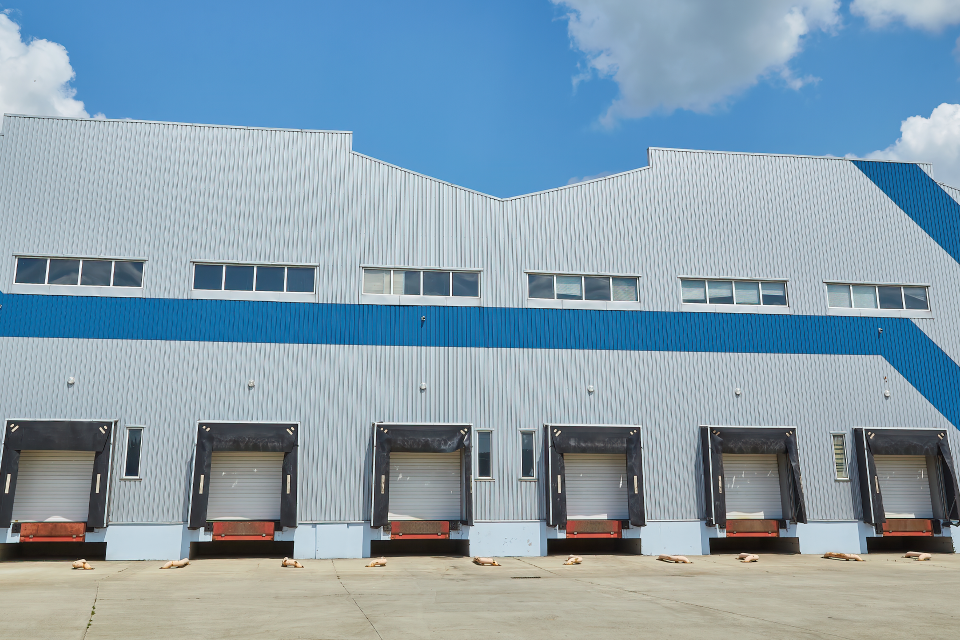
December 2025 Industrial Report: Lingering Supply Surge & Policy Shifts Drive Transitional Year in Sector
Moderation at best was the main descriptor of key trends in the industrial real estate sector this past month, as the industry continued to struggle absorbing the results of the historic early pandemic supply boom.